 | |  | |  | |  |
mexico machining
mexico manufacturing
mexico aerospace machine shop
mexico machine shop
AS9100 machine shop mexico
AS9100 certified mexico
ISO9001 mexico machine shop
mexico manufacturing
mexico aerospace machine shop
mexico machine shop
AS9100 machine shop mexico
AS9100 certified mexico
ISO9001 mexico machine shop
| Thermosetting plastic, also known as a thermoset is petrochemical material that irreversibly cures. The cure may be induced by heat, generally above 200 °C (392 °F), through a chemical reaction, or suitable irradiation. Thermoset materials are usually liquid or malleable prior to curing and designed to be molded into their final form, or used as adhesives. Others are solids like that of the molding compound used in semiconductors and integrated circuits (IC). Once hardened a thermoset resin cannot be reheated and melted to be shaped differently. Thermosetting resin may be contrasted with thermoplastic polymers which are commonly produced in pellets and shaped into their final product form by melting and pressing or injection molding. |
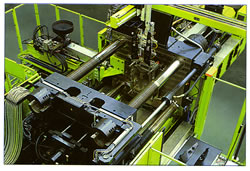
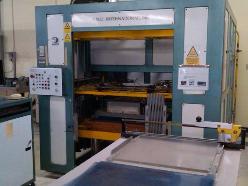
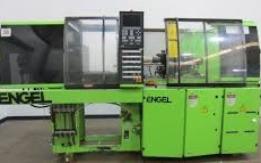
| Injection molding is a manufacturing process for producing parts by injecting material into a mould. Injection moulding can be performed with a host of materials, including metals, glasses, elastomers, confections, and most commonly thermoplastic and thermosetting polymers. Material for the part is fed into a heated barrel, mixed, and forced into a mould cavity, where it cools and hardens to the configuration of the cavity.[1]:240 After a product is designed, usually by an industrial designer or an engineer, moulds are made by a mouldmaker (or toolmaker) from metal, usually either steel or aluminum, and precision-machined to form the features of the desired part. Injection moulding is widely used for manufacturing a variety of parts, from the smallest components to entire body panels of cars. Parts to be injection moulded must be very carefully designed to facilitate the moulding process; the material used for the part, the desired shape and features of the part, the material of the mould, and the properties of the moulding machine must all be taken into account. The versatility of injection moulding is facilitated by this breadth of design considerations and possibilities. |